

Nunca Más: Honoring the Memory of the Dictatorship Means Ensuring Atrocities Are Not Repeated
Hello! My name is Ellie Bailey, and this summer I will be taking you along with me on my journey working for la Comisión Provincial por la Memoria (the Provincial Commission for the Memory) in La Plata, Argentina.
As of today, I have officially been in Argentina for a week! Although I was already somewhat familiar with rioplatense culture prior to this trip, including its sheísmo (the practice of replacing the ‘y’/‘ll” sound in Spanish with a ‘sh’ sound), its passion for mate tea, and the customary greeting of kissing on the left cheek, I had never actually set foot in Argentina until last Monday. My familiarity with the the regional culture comes from the two months I was fortunate to spend living in nearby Montevideo, Uruguay during the spring of my pre-college gap year. That visit was unfortunately cut short by the onset of the pandemic in March of 2020. Still, the Southern Cone remained close to my heart throughout college as I learned about the history, politics, economics of the region in various political science and Hispanic studies courses and kept in touch with Alicia, my Uruguayan host mother over WhatsApp. I am so thrilled to now return to the region for this internship.
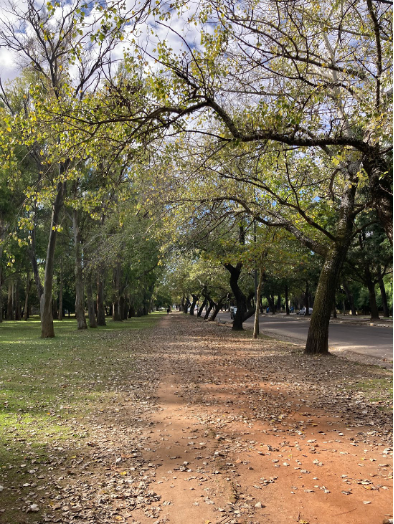
After two flights, a taxi ride, a train trip, and a walk through the cobbled streets of La Plata with my suitcase in tow, I arrived last Monday at Residencia CECU, my home for the next ten weeks. CECU is a residence for young women in their first years of study at Universidad Nacional de La Plata. I have absolutely adored getting to know the other residents over shared meals and tertulias (nightly social gatherings), where we talk about everything from the differences in the US and Argentinean education systems, favorite musical artists and tv shows, and the quirks of life in La Plata. My new housemates have also been extremely patient as I ease back into speaking Spanish, helping me pick up words including pomelo (grapefruit), de peluche (stuffed animal), and roncar (to snore).
On Tuesday, I walked with one of my new friends from CECU to my first day of work at the Commission. During the first week my colleagues gave me a deep introduction to the history of the Argentinean military dictatorship. From 1976 to 1984 Argentina was ruled by a military regime that used terror to remain in power. Those who vocally disagreed with the dictatorship or simply were perceived by the government to potentially be political dissidents (such as intellectuals, musicians, artists, and students) were disappeared by the state, oftentimes kidnapped from their homes, tortured, and killed. Tragically, many of their bodies are still missing.
The provincial legislature established the Commission in 1999 to preserve the collective memory of the dictatorship. In addition to educating the public and maintaining archives of state intelligence records from this period, the Commission has served since 2019 as the local mechanism for the prevention of torture.
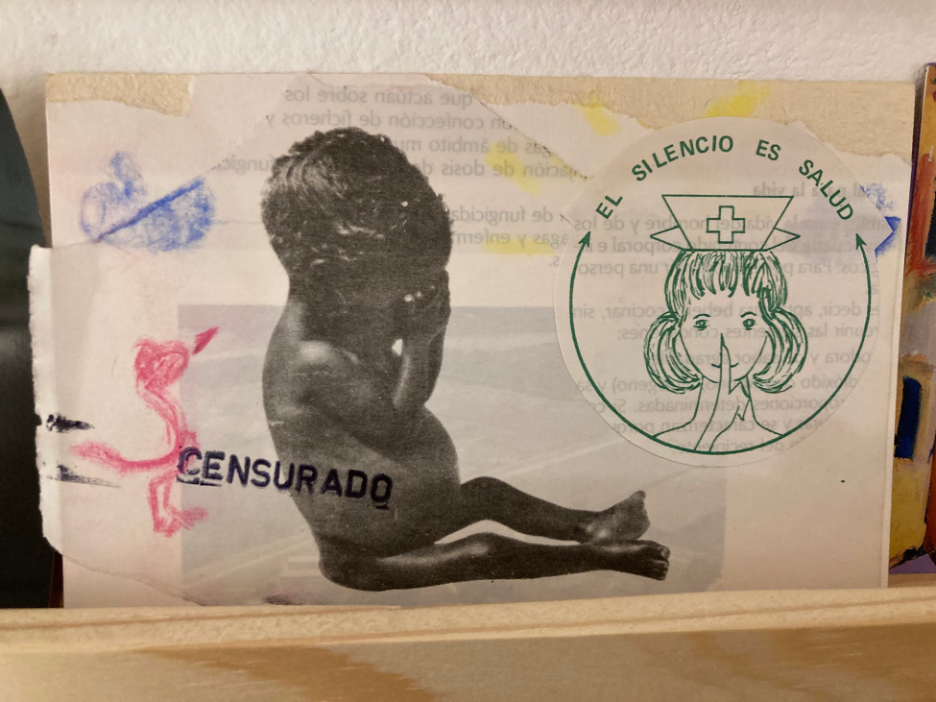
Today, the province’s prisons are significantly overcrowded, and prisoners frequently do not have access to sufficient safe food, sanitized drinking water, or proper medical care. The Commission monitors these conditions, publishes an annual report on their findings, and represents prisoners in legal actions to remedy horrific, inhumane treatment.
“Nunca más” (never again) became a rallying cry in the wake of the dictatorship. The Commission believes that honoring this promise requires not only remembering the past but also actively opposing state violence in the present. By working to end torture in Argentina’s penal system, the Commission carries forward its mission of ensuring the horrors of the dictatorship’s atrocities are not forgotten, and possibly even more crucially, never repeated
Considering that I have already learned so much in just one week, I am so excited for the challenges and opportunities this summer (or winter for those of us in the southern hemisphere) will bring.