Reflecting in the Emergency Room
This past week at work was fairly slow. Both Monday and Friday were national holidays so my office was closed. Furthermore, on Wednesday I arrived at work to find that my colleagues were on strike in response to the recent conviction of former Argentine president Cristina Fernández de Kirchner. Many Argentines believe her conviction is politically motivated, thus motivating the protest.
Unfortunately, earlier in the week I fell on my hand and developed a large purple bruise. The women who run the boarding house where I’m living this summer encouraged me to go to the emergency room to have a doctor assess my injury. I was very shocked to discover that medical care at government hospitals is completely free, even for foreigners. However, this may soon change, as the current president has proposed a law requiring foreigners (like me) to pay for healthcare while in the country. That being said, as of the writing of this blog, I was able to receive an x-ray and cast for my hand completely free of charge through Argentina’s public medical system. While waiting in the hospital to be seen by the doctor, I noticed a plaque dedicated to the Abuelas de Plaza de Mayo on the wall of the lobby.
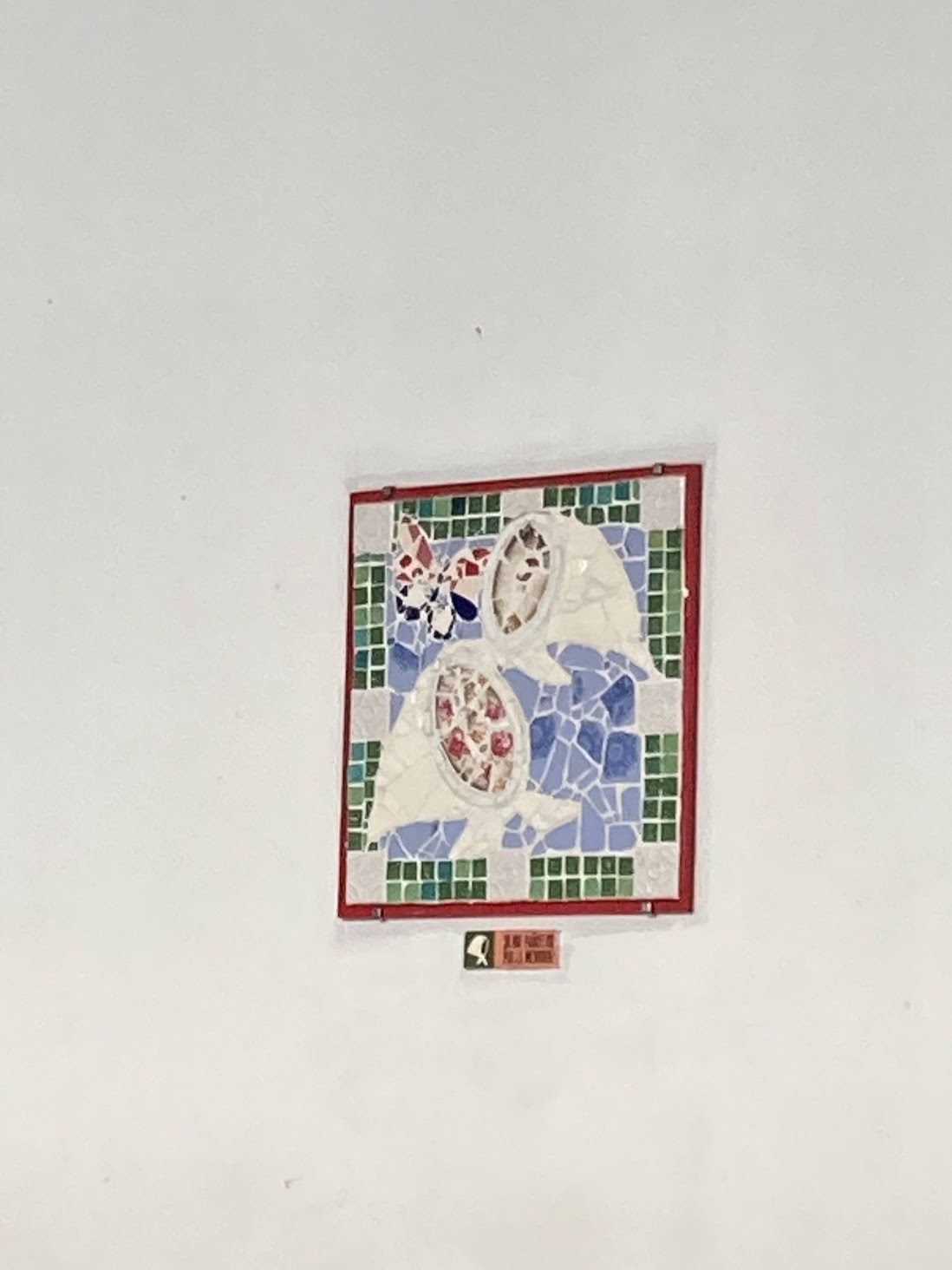
The abuelas are a group of women who protested the disappearances orchestrated by the state during the dictatorship of the 1970s and 80s. Around 3% of those disappeared were pregnant women. After giving birth, these women were often killed, and their babies were adopted by wealthy families sympathetic to the regime. Many of these children, now adults, still do not know their true identities.
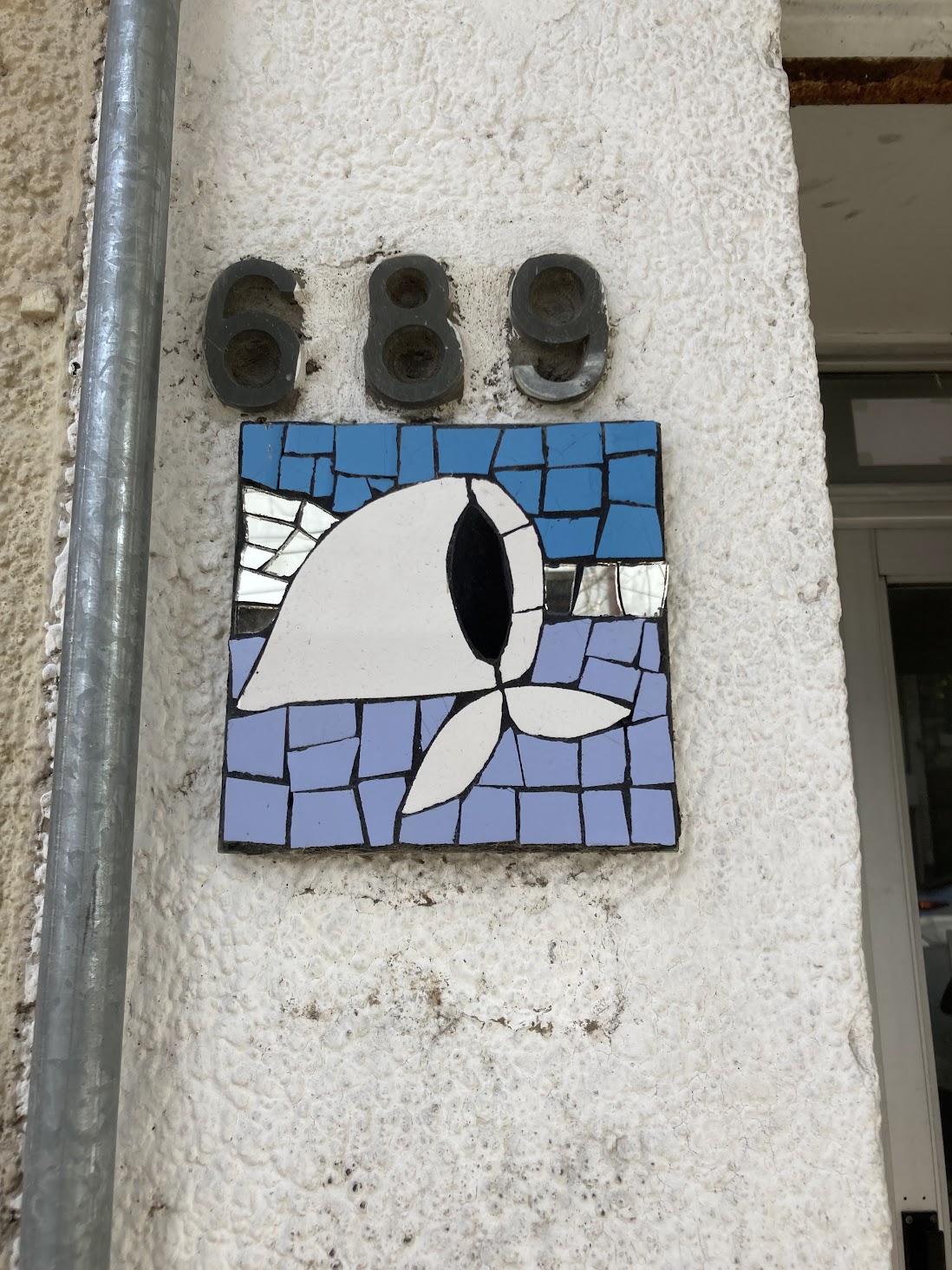
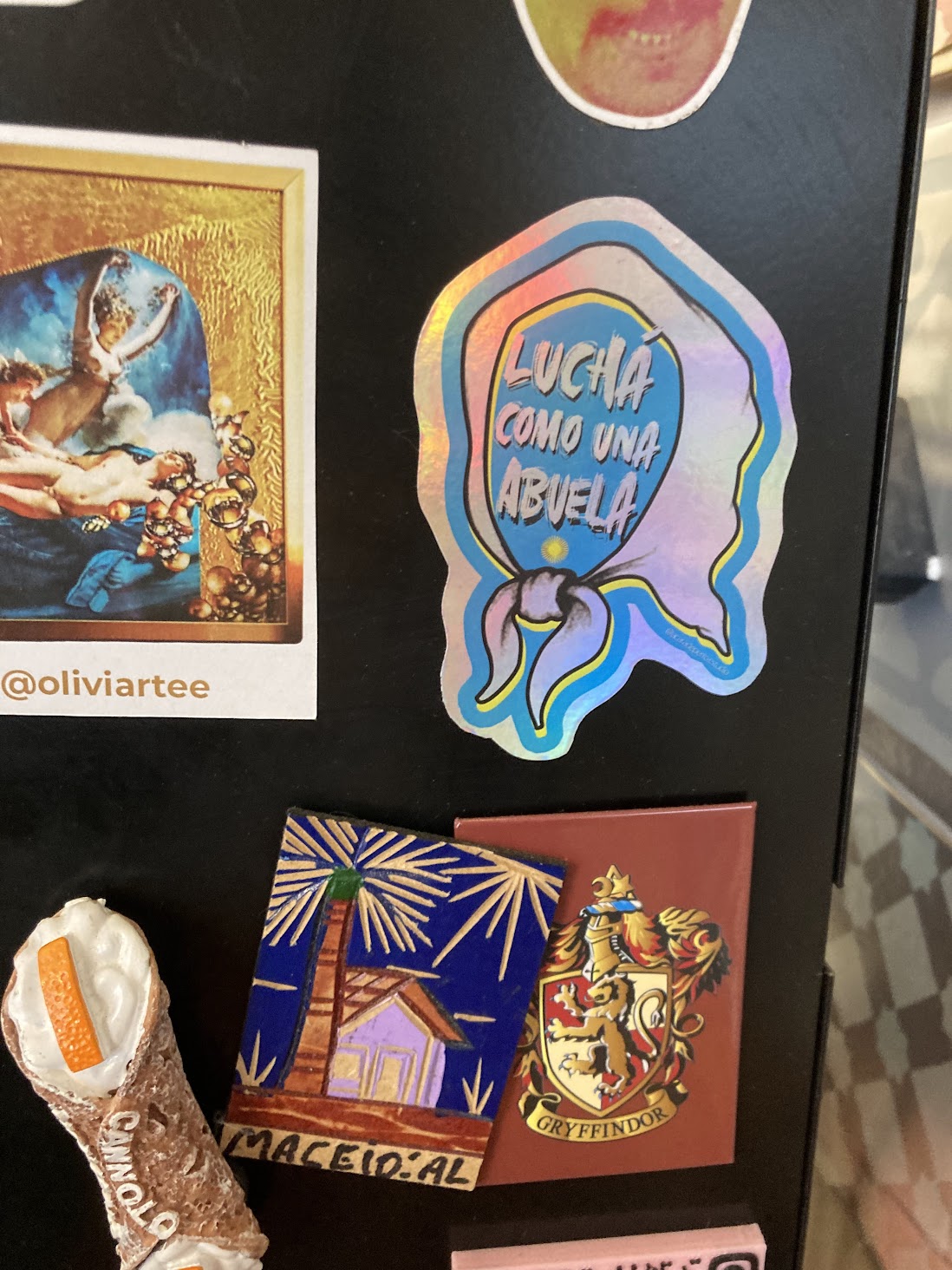
The grandmothers and mothers of the disappeared began meeting each Thursday in the central Plaza de Mayo in Buenos Aires, as well as other prominent plazas across the country, (such as the Plaza de San Martín in La Plata). They would circle the plaza to draw attention to their missing children and grandchildren, wearing pañuelos (handkerchiefs) on their heads to symbolize the cloth diapers once worn by their children. These handkerchiefs then quickly became a symbol of their resistance. Many public art pieces in La Plata and elsewhere in the country still depict the pañuelo to remind passersby of the tragedy of the dictatorship, the 30,000 lives lost, and the abuelas’ dedication to finding their relatives. While many of the original abuelas have passed away, the organization they founded continues the search for the children of those disappeared by the state.