

Constitutional Reform and Castle Ruins
This week, I worked on a more extensive comparative research assignment focused on omnibus amendments. Generally, omnibus bills combine multiple amendments or subjects into a single legislative act. In the context of constitutional reform, they raise complex legal and political questions, especially when they bundle distinct constitutional changes into one proposal. To assess the viability of an omnibus amendment bill (a single legislative proposal containing multiple constitutional amendments), I drafted a memorandum surveying comparative examples of both successful and unsuccessful comprehensive amendment efforts in U.S. states and Commonwealth countries.
Omnibus bills can promote legislative efficiency by enabling the adoption of multiple enactments or amendments at once. However, despite these advantages, they often face judicial and public resistance. Critics argue that such bills undermine core democratic principles by denying voters the opportunity to evaluate and vote on each measure individually. This concern is especially pronounced when omnibus proposals include unpopular or unrelated provisions that would likely fail on their own.
What I most enjoyed about writing the memorandum was researching with physical books taken right from IDEA’s library. While my analysis of U.S. state practices relied heavily on Westlaw, I turned to other sources for the comparative Commonwealth section. Much of this research came through extensive online searching, but the most insightful material came from print sources like Richard Albert’s Constitutional Amendments, which offered a comprehensive theoretical framing and comparative perspective.
Outside of IDEA, I took advantage of the weekend to visit a friend across the country in Maastricht. With her car we were able to explore the surrounding region, including Valkenburg and Aachen. We hiked around Valkenburg Castle, the only hilltop castle in the Netherlands. Beneath the ruins lie passageways and caves—most notably the Velvet Cave—which were used for marlstone mining in the 11th and 12th centuries, for food storage in later centuries, and, during World War II, as a civilian shelter and hideout.
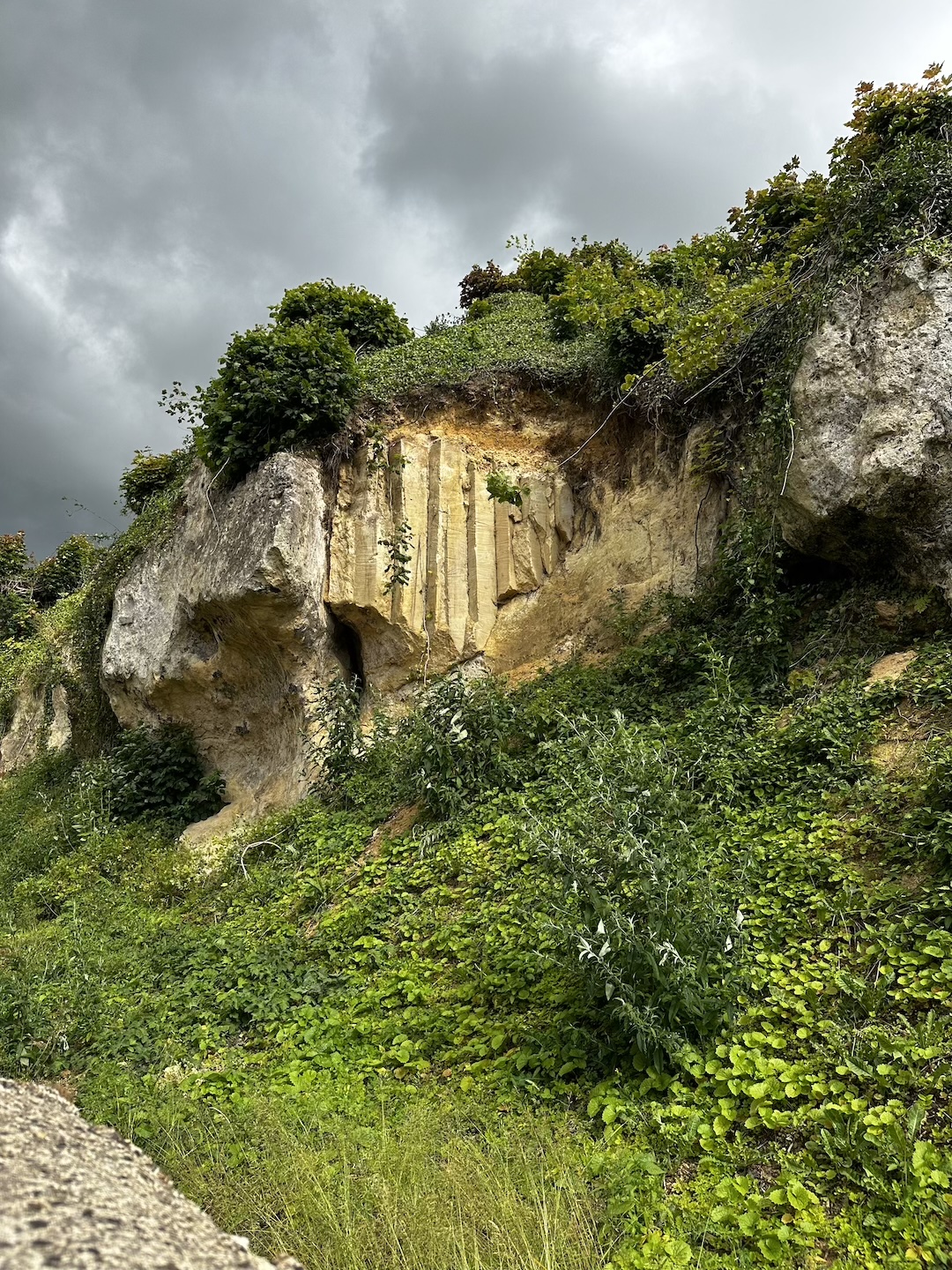
The castle is built from marlstone quarried from the Maastricht Formation, a soft, chalky yellow marine limestone dating back 66-70 million years to the Late Cretaceous. This pastel-colored stone gives the entire town of Valkenburg a warm, glowing feel that makes you feel transported to another time. We also caught the tail end of a regional bike race that concluded in Valkenburg with celebrations galore. In Aachen, we attended Aachen Pride and enjoyed the vibrant festivities and parade.
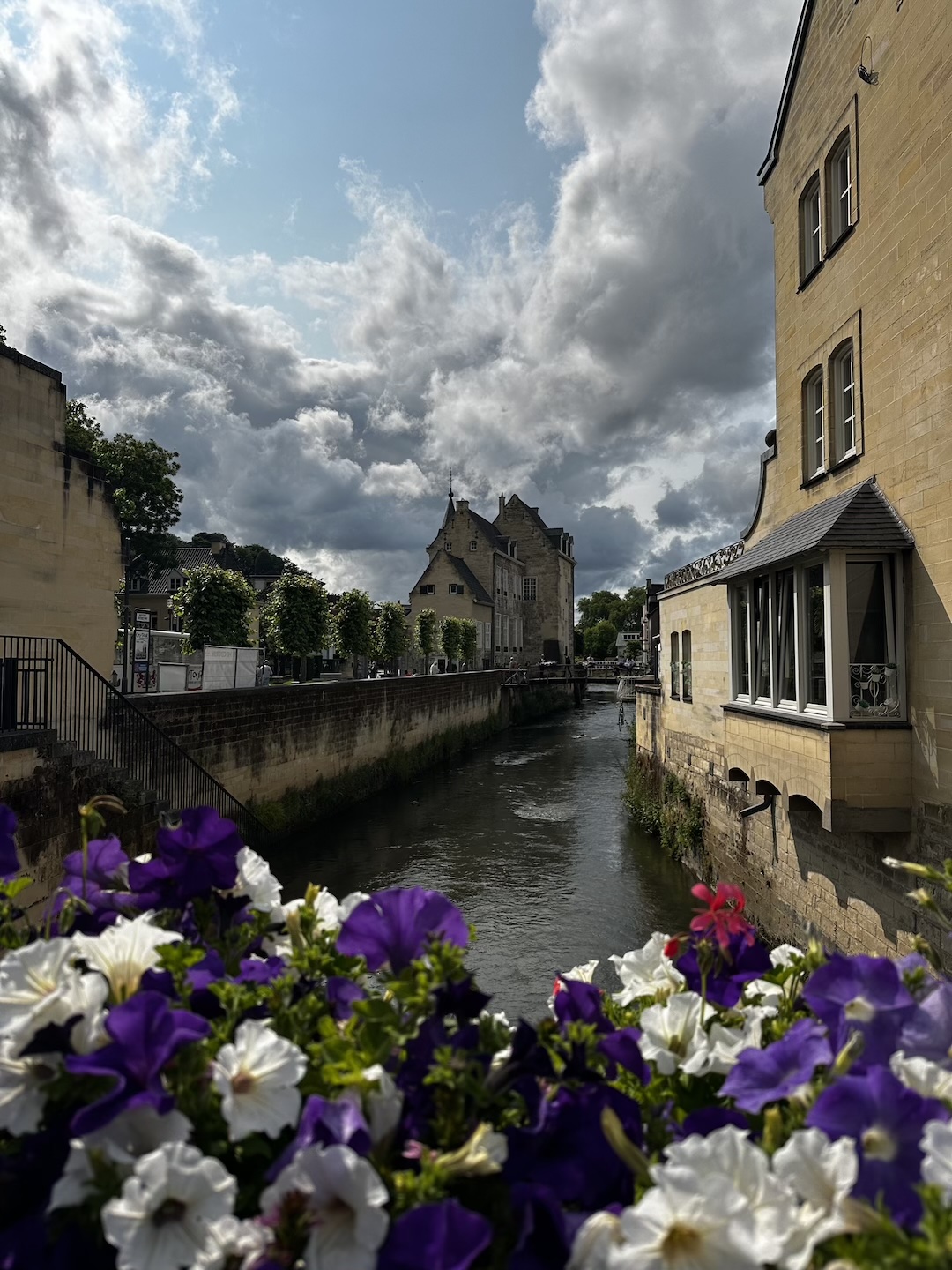
Maastricht itself felt unlike any other Dutch city I’ve seen so far. The historical architecture, grand churches, and rich museum scene stand alone, while the river Maas (rather than canals) dramatically cuts through the city. My friend explained that Maastricht is often seen as culturally distinct within the Netherlands due to its proximity to Belgium and Germany, its unique geography, and its blended cultural influences. So distinct, in fact, that during the COVID-19 lockdowns, many Dutch citizens flocked to Maastricht to enjoy a change of scenery while remaining within the country.
 More adventures to follow!