

EPIC Projects and More
As my time in The Hague begins to wind down, I’m focusing on finalizing three projects: an overview of Ghana’s constitutional history, finishing up the PCCBP Mali project, and a new task from Sharon. This week, Sharon asked Hershey and me to explore IDEA’s Environmental Protection in Constitutions Assessment Tool (EPIC).
EPIC is designed to help constitution drafters—and anyone else interested in constitutional design—evaluate the environmental protections provided under a country’s constitution. By drawing on constitutional language from around the world, the tool offers insights into how nations safeguard the environment and spurs ideas for constitutional reform in areas such as human rights, environmental governance, and sustainable development.
For our task, we each assessed two constitutions using EPIC alongside its companion Workbook. The Workbook serves as a practical guide, while the Tool itself provides the evaluative framework to answer key questions to analyze the strength of constitutional protections. My focus was on Kenya and Egypt. While both constitutions affirm environmental protection, Kenya’s framework is significantly more robust and enforceable—it incorporates environmental rights in its Bill of Rights, sets forth legislative implementation, and empowers citizens to enforce these rights through clear institutional mechanisms.
By contrast, Egypt’s constitution is more aspirational and leaves enforcement to statutory regulation and omits direct avenues for citizen-led enforcement.
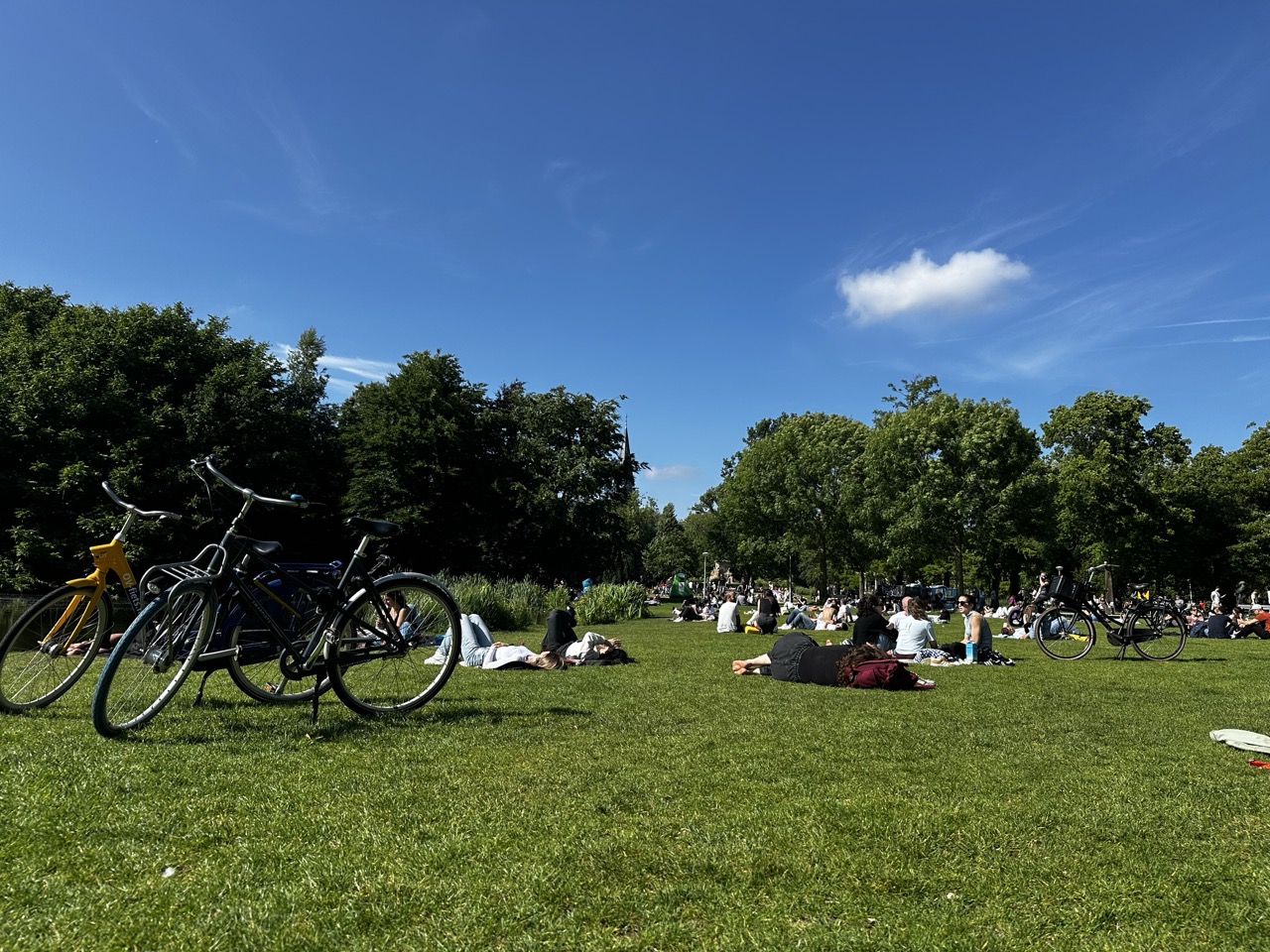 Outside of work, I made the most of the weekend: I wandered Delft’s weekly flea market on Saturday, and on Sunday, I caught up with a friend in Haarlem and attended a concert at the Paradiso in Amsterdam. I’m trying to keep my spirits up despite the fact that my final week is fast approaching!