

Oxford Conference on Civic Resilience
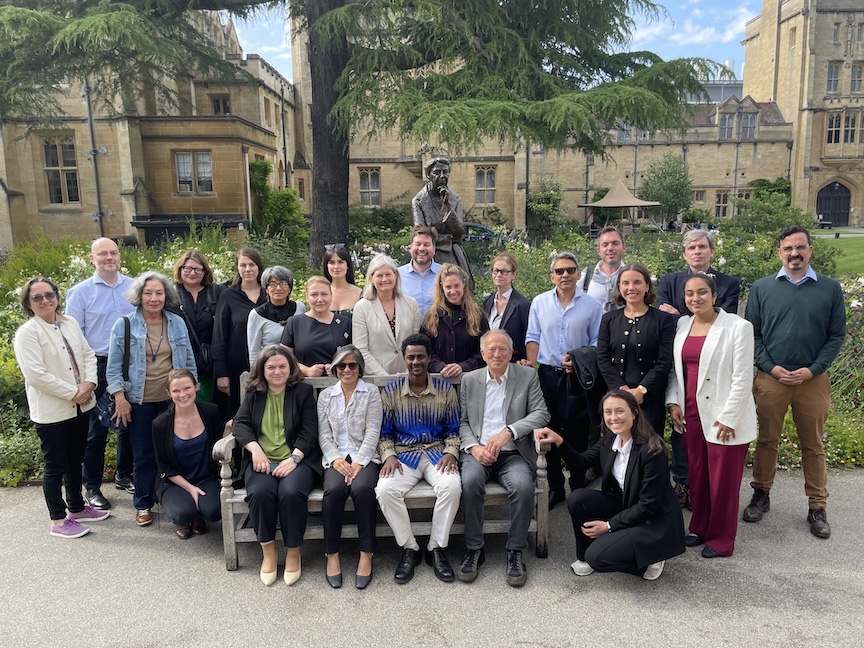
This week was particularly exciting, as our office traveled together to Oxford for a roundtable discussion based on International IDEA’s paper, “Reversal, Resilience and Resistance: Lessons Learned from the Abuse of Law to Attack Civic Space.” The event was a joint initiative between IDEA and the Bonavero Institute of Human Rights at the University of Oxford. The paper and discussion focused on democratic backsliding and the growing trend of illiberal regimes targeting civil society organizations (CSOs).
CSOs, including trade unions, religious groups, and other mass membership organizations, often serve political or social purposes, but they can also function as powerful political actors capable of mobilizing collective action. Alongside the media, they form a vital part of democratic infrastructure. Because of this, authoritarian-leaning governments frequently attempt to suppress both civil society and the press, using legal and institutional tools to obstruct, co-opt, or silence them. These tactics can include burdensome regulations, targeted restrictions on permissible speech or activities, and the use of law as a weapon to erode civic space.
During the roundtable, we heard from experts working in countries where CSOs are under severe threat—including Georgia, Kyrgyzstan, Nicaragua, and Peru. Despite the challenges, the discussions offered a hopeful perspective: international actors still have a critical role to play in supporting democratic resilience. From embedding safeguards for press freedom to monitoring and responding to democratic decline, the global community can help reinforce constitutional norms and defend civic space.

This week was also meaningful on a more personal note. After months of speaking virtually, I finally met the other Constitution-Building summer intern in person for the first time. Similarly, in preparation for the roundtable, I had helped format the biographies and headshots of all attendees, so it was rewarding to meet everyone face-to-face in Oxford.
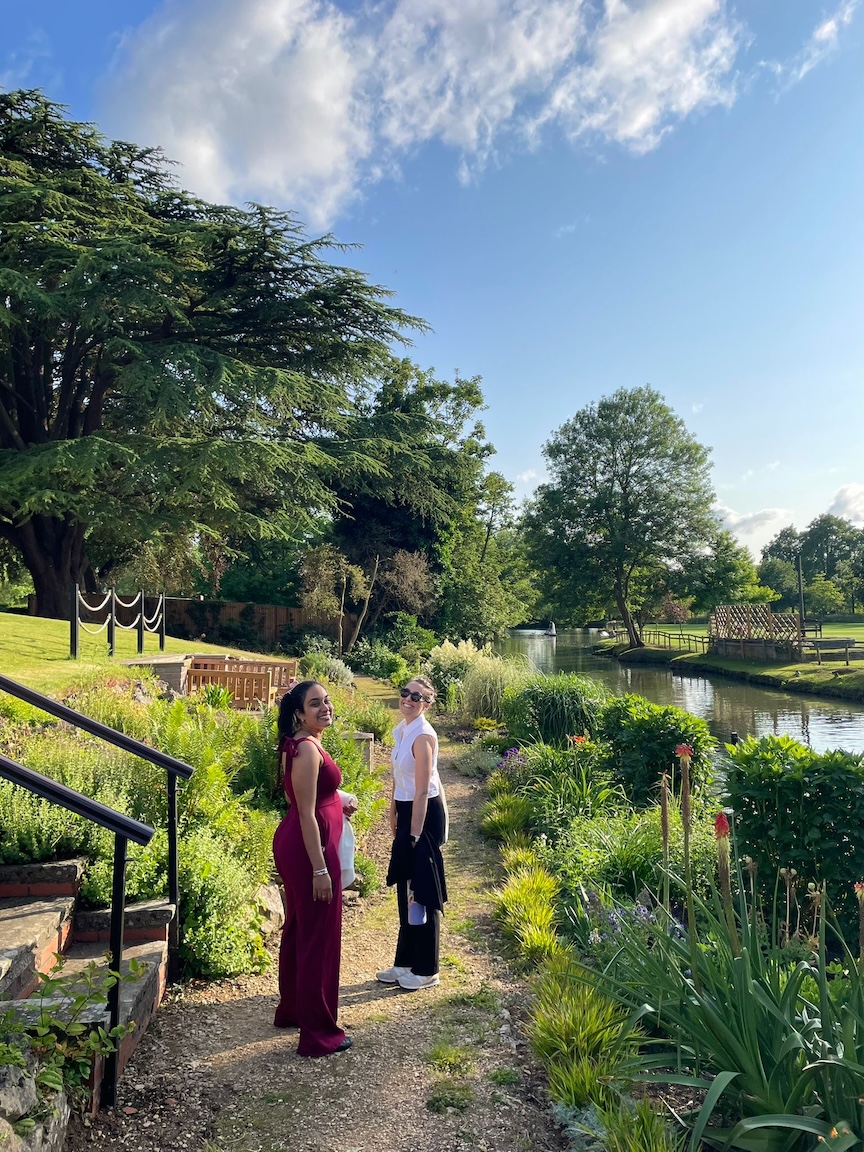
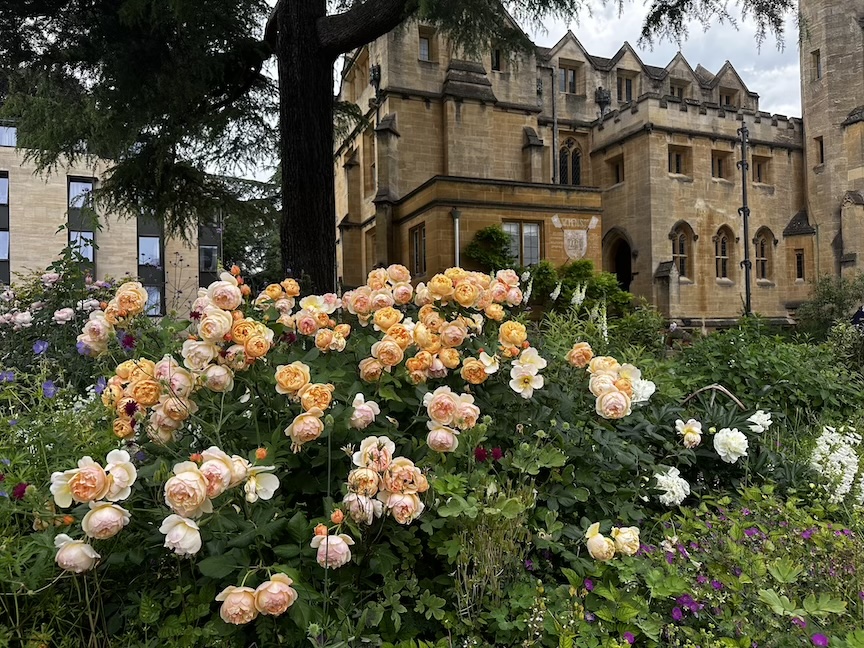
As for the city itself, Oxford was as magical as I’d hoped. It's easy to see why it’s been the backdrop for films like Harry Potter, with its centuries-old buildings and deep academic tradition. Although the roundtable sessions were all day Thursday and Friday, we had time to explore Oxford in the evenings and on Saturday.
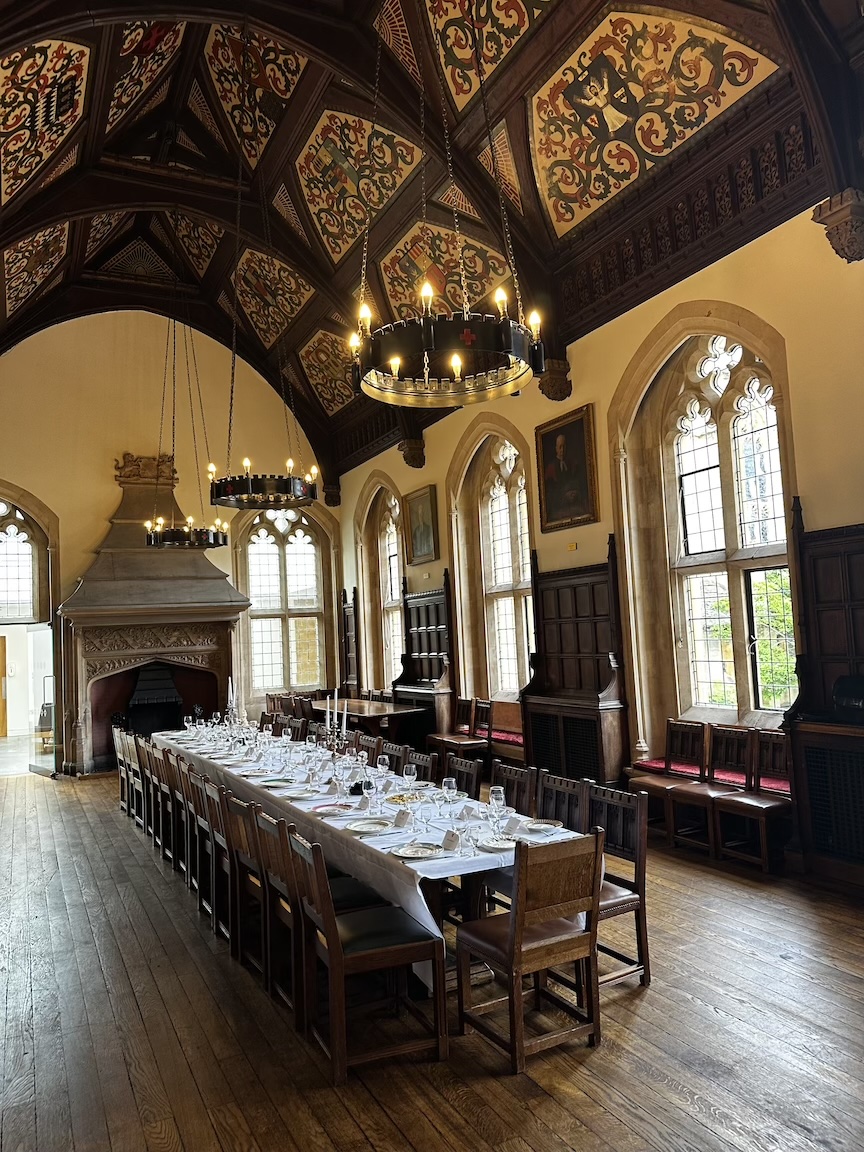
A future IDEA intern currently pursuing her DPhil at Oxford kindly gave us a tour of several colleges, including St. Hilda’s, St. Peter’s, Trinity, and New College. It was surreal to see students casually going about their days in ancient dining halls and dormitories, some of which dated back to the 13th and 15th centuries.