

Week II: Measuring What Matters
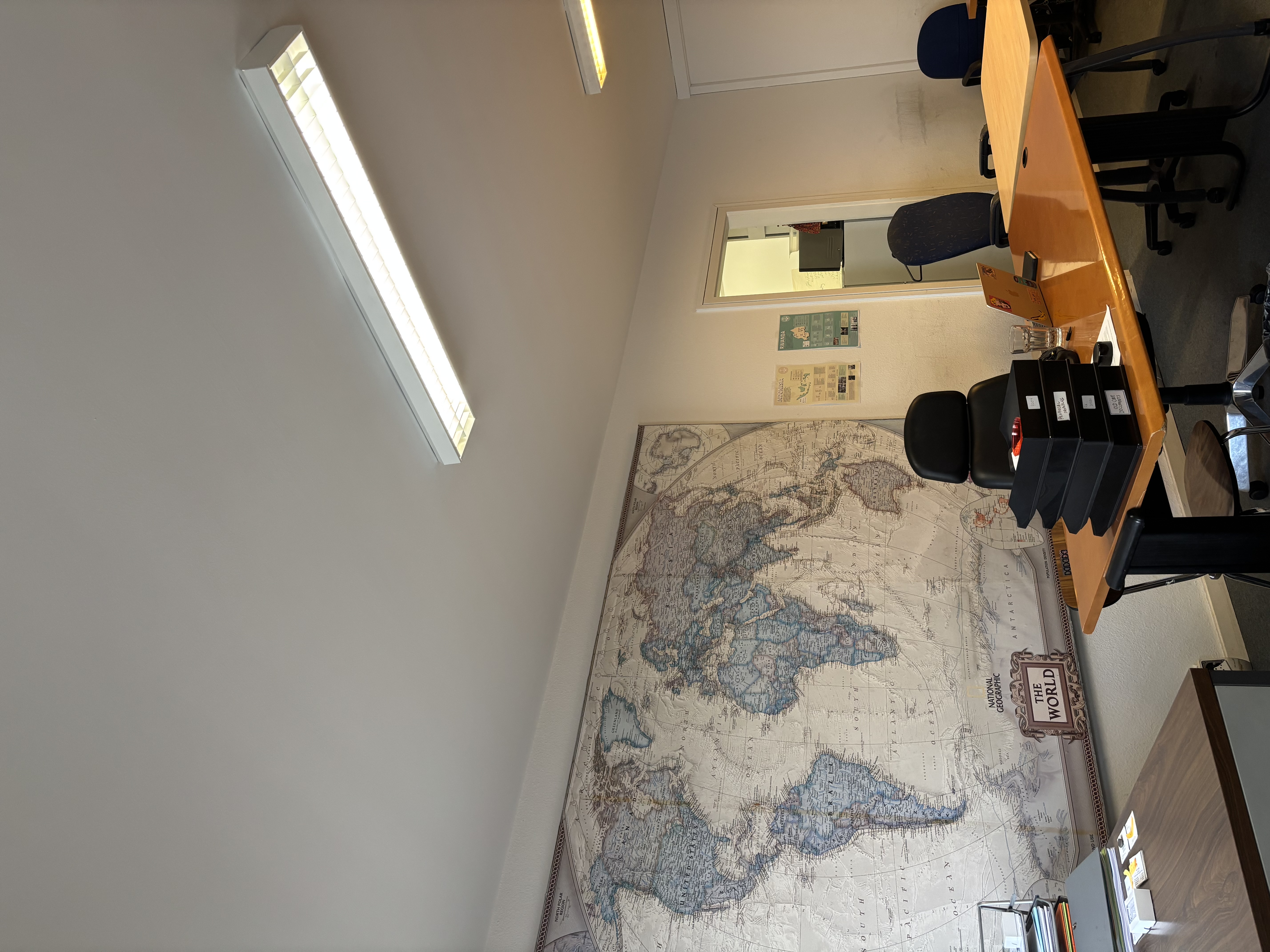
This week at IBJ was quieter than usual, with our CEO, International Program Director, and fellow intern all in Indonesia for a conference and meetings. I used the slower pace to sink into my Defense Wiki draft on Liechtenstein and start brainstorming how we might better measure our impact, which doesn't always translate well with numbers.
The Liechtenstein Lowdown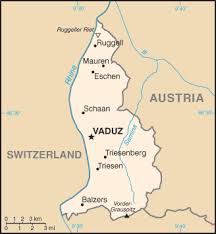
Liechtenstein may be one of Europe's six microstates, but its legal system is surprisingly intricate. While I covered some of the basics in last week's post, like its civil law structure and generous legal aid, this week, I explored details that offer real insight into how justice operates in a nation of just under 40,000 people.
For instance, Liechtenstein only has one prison, a 20-bed facility for short-term sentences and pretrial detention. It's so limited in capacity that juveniles are sometimes sent to Austrian facilities, which can pose challenges for maintaining family contact. Women detainees have a separate section with just four beds, and on rare occasions, juveniles are housed in that same wing.
Liechtenstein's courts also reflect its size. While a single judge hears most criminal cases, more serious offenses may involve a five-person panel, including three lay assessors, who are citizens without legal training, contributing to the verdict. This structure replaces a jury system while incorporating community input in severe cases. Additionally, strong constitutional guarantees for defendants make for a highly centralized but rights-focused model. Liechtenstein also incorporates protections from treaties like the European Convention on Human Rights.
Appeals are allowed on procedural, factual, or legal grounds, with cases moving through three instances: the District, Superior, and Supreme Courts. The Constitutional Court serves as the fourth and final instance in exceptional circumstances.
The legal profession is small, with only 261 attorneys registered in the country covering civil and criminal law.
It's been so rewarding to learn about another legal infrastructure and see how it fits into the broader global justice system. It was especially fun researching Liechtenstein since I had the chance to visit back in January 2024, so putting a legal lens on a place I’ve actually walked through made the work feel more personal.

Measuring the Unmeasurable
Alongside my research, I've been exploring ways IBJ might better capture the more profound impact of its work. Thinking back to my previous women's entrepreneurship grant work in Rilima, Rwanda, where we used pre- and post-program interviews to evaluate shifts in mindset. We saw how access to knowledge and support services could increase confidence, willingness to take initiative, and a deeper sense of agency.
That experience is shaping how I think about IBJ's potential metrics. I've been drafting ideas for measuring things like justice confidence, legal rights awareness, and willingness to seek help, which are difficult to measure but speak volumes about impact. One concept I'm working on is a Justice Confidence Scorecard that pairs traditional data with qualitative insights to better reflect real change.
The trickiest part is figuring out how to measure something like open-mindedness, a shift in worldview where someone begins to believe justice is for them, not just something that happens around them. It's hard to quantify, but it's the change that truly matters for IBJ's initiatives. I'm excited to share these ideas with the team next week and see how they might take shape.
Beyond Work
Outside work, I finally moved from my hotel and settled into my permanent housing, a foyer that is essentially a hostel run by Catholic nuns. It's in a great location, very affordable for Geneva, and includes breakfast, though I quickly learned that means bread and jam. Since I'm (unfortunately) gluten-free or sans gluten, as they say in French, I've stocked up on yogurt and fruit.
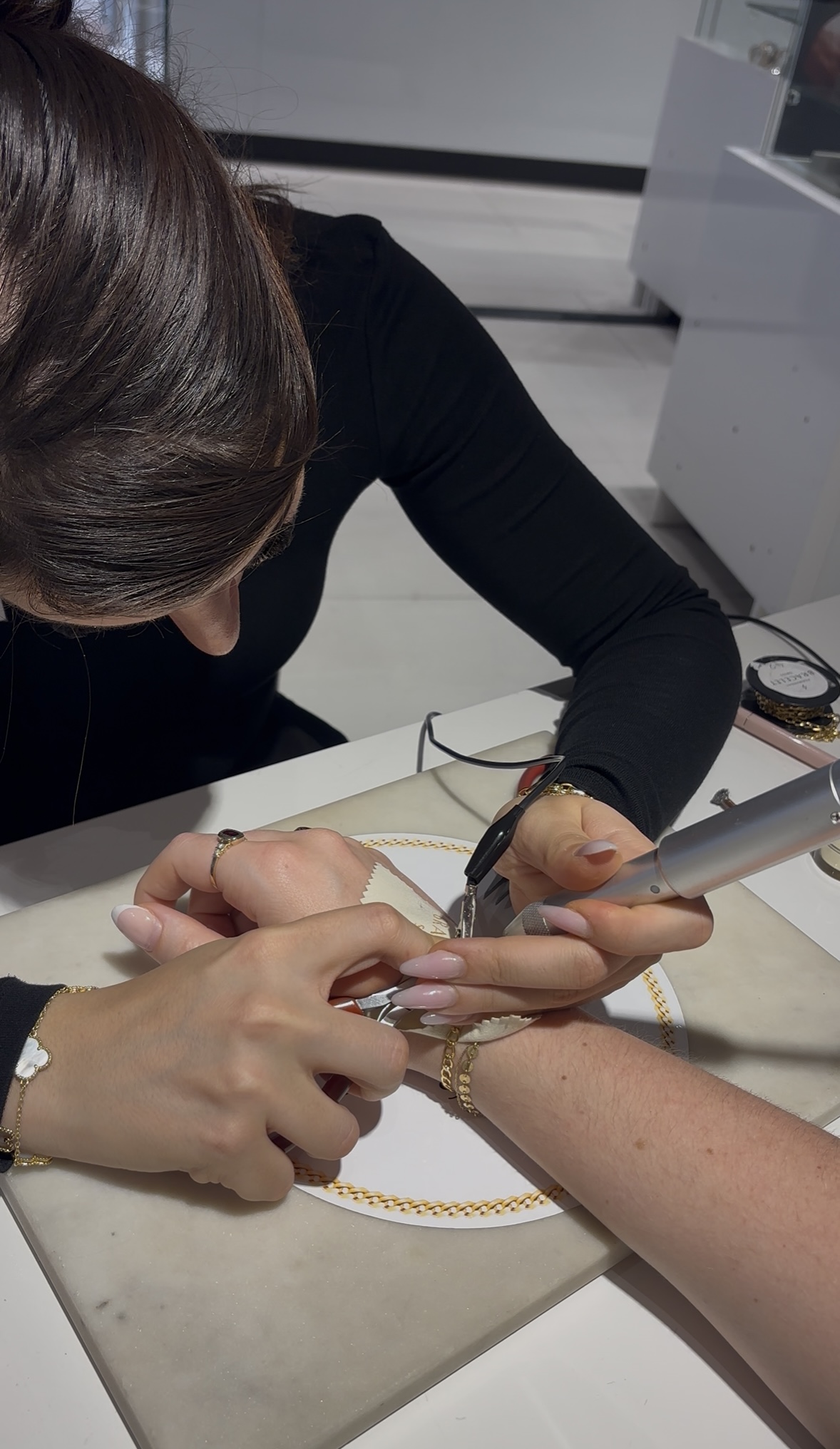
After work one day, I discovered a little spot for permanent bracelets, and I immediately knew I had to get one. I already have two, one from New York City and the other from Nashville, so this Geneva bracelet was the perfect final piece to complete my collection and serve as a keepsake. The woman helping me was so kind and even let me add a charm for free!
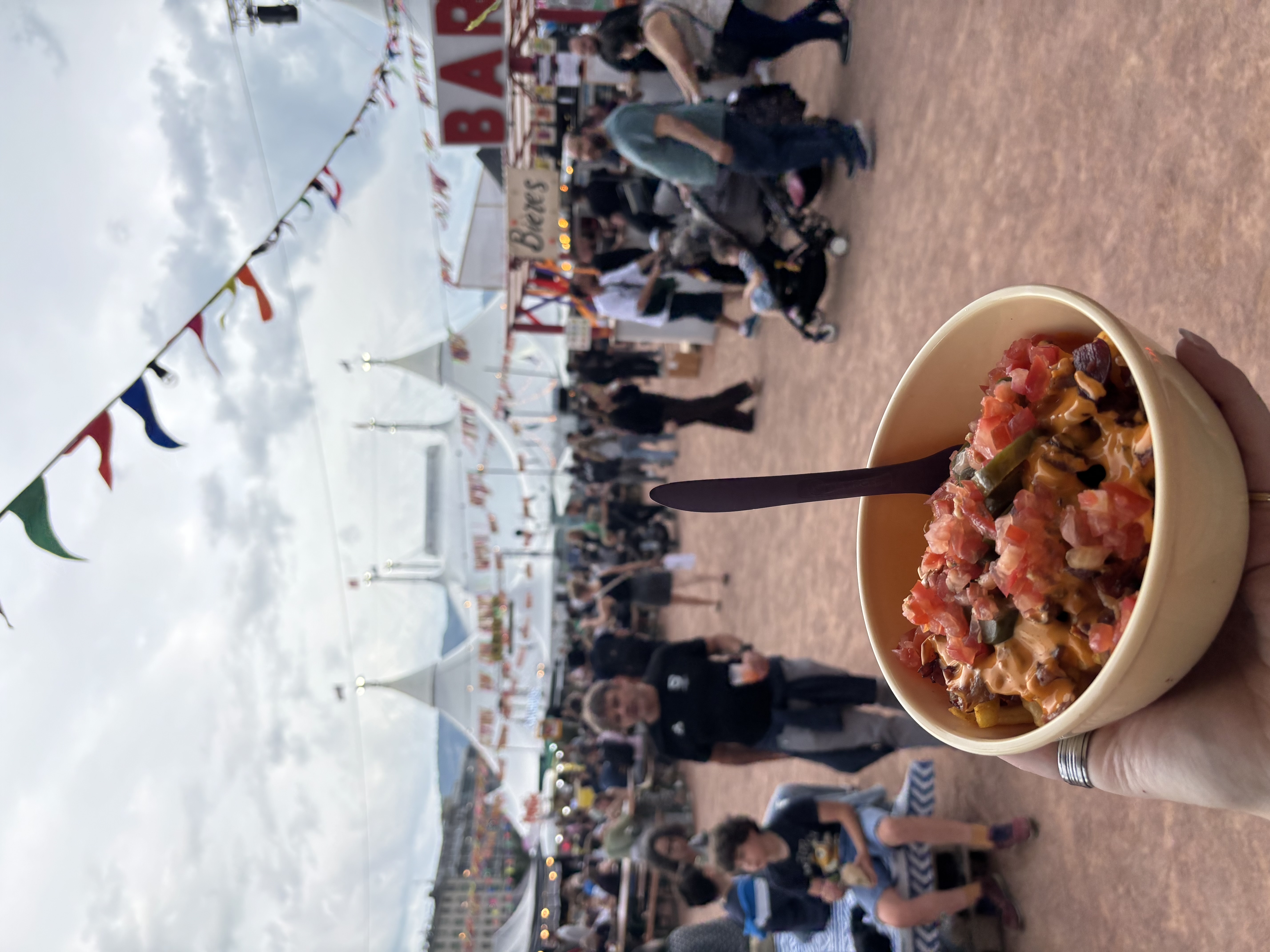
I also made my first appearance at the Geneva Street Food Festival, which runs from June 5 to June 15. I went all in on a delicious order of loaded fries (bacon, sriracha mayo, cheddar, jalapeño, and tomato) and some feta-coated street corn from a food truck. I'll definitely be back before it ends to try more since it was nearly impossible to choose just one thing with all the different options.
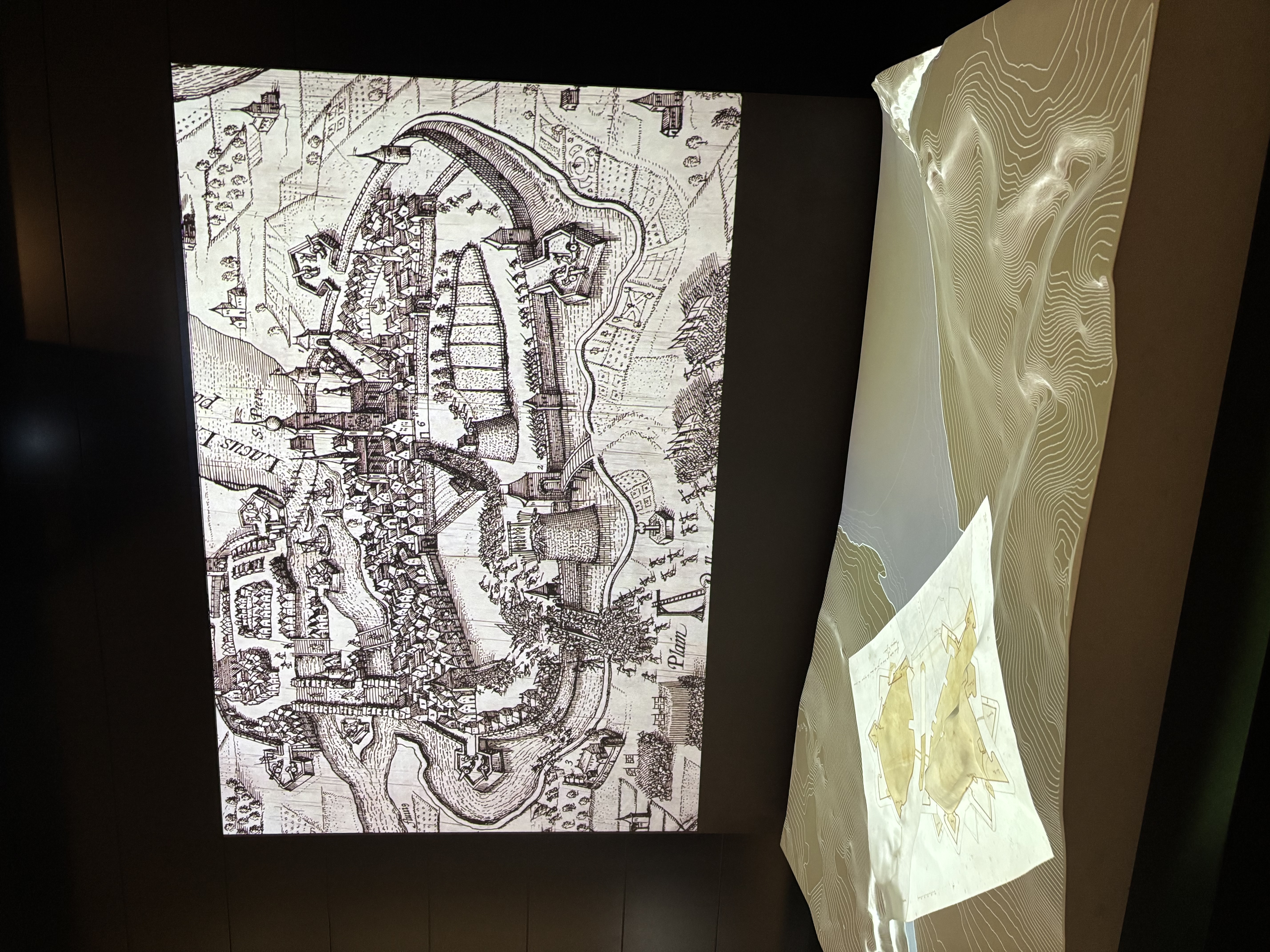
On Saturday, I met up with Heidi, another W&M law student interning with the Global Survivors Fund in Geneva this summer. We explored the Tavel House Museum, Geneva's oldest private residence turned museum, then chatted at Pages and Sips just around the corner (I think I may become a regular there).
Between figuring out how to spell Liechtenstein correctly and jotting down ideas for measuring justice, this week showed me how much there still is to learn, not just about international law, but how we listen, reflect, and tell stories that matter.

I'm learning more about Geneva daily, even if it still feels like I'm just visiting. But I'm getting there with each new discovery and growing in my role at IBJ.
À la semaine prochaine,
Sydney