

Week Nine: Planet Word and Tibetan Language Conservation
During my visit to Planet Word, I both appreciated how many different languages there are in the world, and how important preservation efforts are in keeping them alive. For example, on the third floor there is an exhibit where you can interact with different screens displaying native speakers teaching some of their language. I listened to one woman from Iceland describe how there are only 350,000 people in the whole country, making for a very small pool of speakers and therefore requiring hard work to keep the language alive. One way she described doing so was by refusing to borrow words from other languages, instead creating an equivalent word in Icelandic whenever an unfamiliar concept came along. (The example she used was “deodorant”, which roughly translates to “sweat-smell-destroyer” in Icelandic).

The refusal to use loan words is interesting, because I feel like they are omnipresent in the English language, such that it sometimes feels like a hodgepodge of a million different languages haphazardly thrown together. At the same time, however, English enjoys lingua franca status, meaning that there is little concern for its maintenance (in fact, it’s more of an issue that English is eroding other languages). As a result, why shouldn’t English incorporate other languages into its vocabulary? In contrast, Icelandic has the aforementioned extremely small pool of speakers, so it makes sense that it would be diligent about language purity. Similarly, there are 6 million or more Tibetans in Tibet. They do use loan words as well, although there have been similar efforts to come up with Tibetan versions. Tibetans must also contend with the influence of Chinese upon their language as well - many schools are bilingual Tibetan and Chinese, or even Chinese only. Tibetans teens will also often text in Chinese even when they have Tibetan options available. As a result, the fight for Tibetan language preservation is an uphill battle.
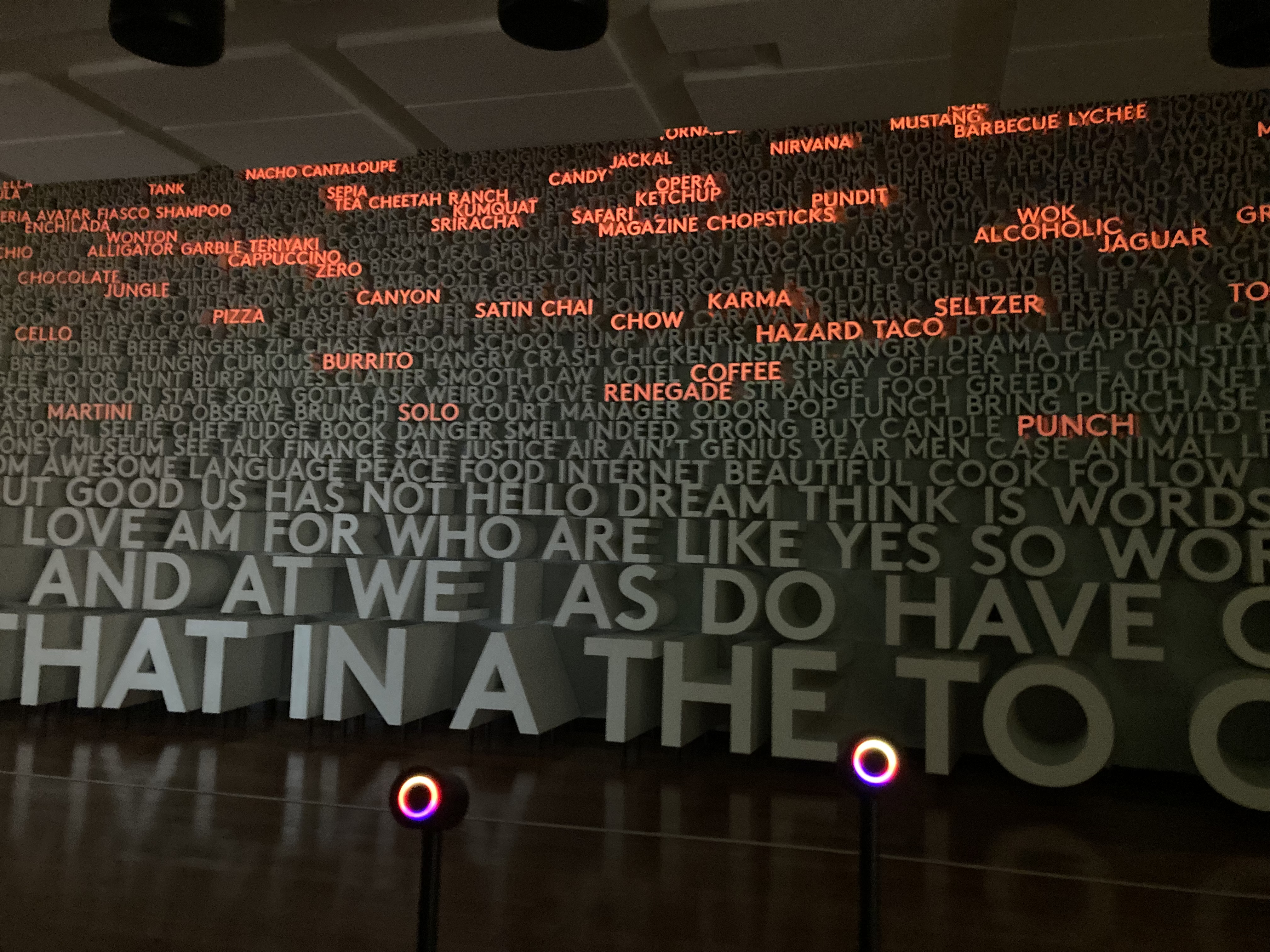
At the same time, I think that in this era of globalization, there is a certain level of inevitability to words and concepts crossing borders. So I do think learning from other languages is something to embrace for the most part. However, maintaining the unique nature of each language is also important. For example, in the same exhibit where I heard the Icelandic woman speak, I also watched two deaf men explain their use of sign language. One man was American, using ASL, and the other man was Iranian, using ZEI. As they explained that there were over 200 different kinds of sign language in the world, I must confess that this brief thought flitted across my mind — “Wouldn’t it just be easier to have one standardized form of sign language?” And it may be true that having one standardized language may make things slightly easier for users of sign language, but also, each deaf person comes from their own unique culture and background, which should be reflected in their language as well. While it is good to have a lingua franca for business purposes, Planet Word reminded me that the diverse range of languages we have in this world is not an obstacle to be overcome, Tower of Babel style, but rather something to be celebrated.
That concludes my visit to Planet Word and my ruminations on Tibetan language preservation this week! I'll see you all next week for my final blog (which I can't believe has come so soon)!