Week Seven: Tibetan Food, Friends, and Global Taiwan Institute
Hello everyone and welcome back! Before I get into talking about the work I've done with Machik this week, I need to introduce a very special guest to the blog: Tsampa.
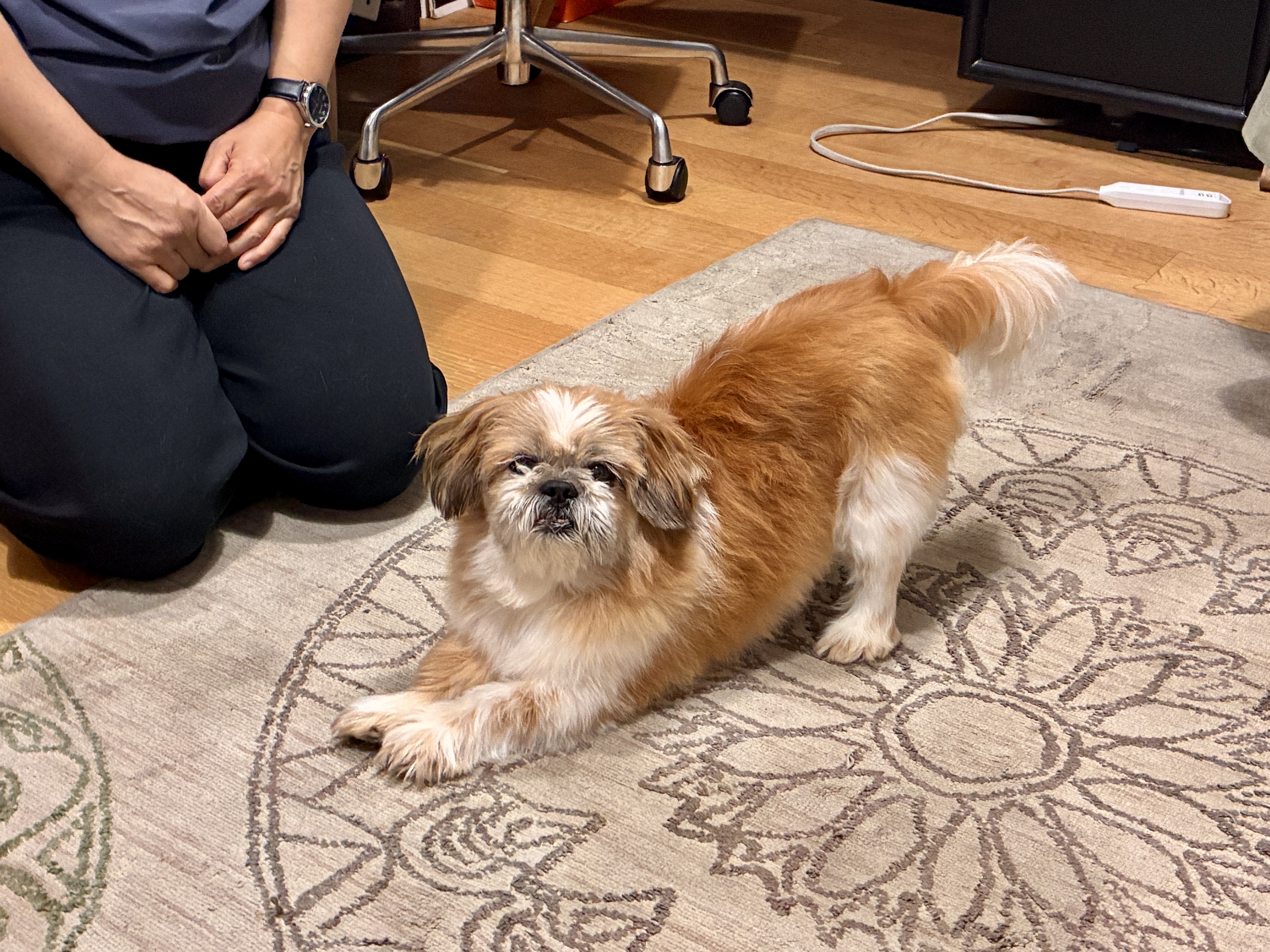 This is Machik's newest and best intern, who I fear will be taking my job very soon. Just kidding - he's more interested in napping than carrying out legal research on Tibet. He is, however, named for the very important Tibetan foodstuff tsampa, which is made of roasted barley flour. I actually had the chance to try tsampa (the food) this week. It is normally prepared by mixing it with some butter and a little bit of tea, and the flavor is very interesting, reminding me of sesame candy and other similar desserts. I had my tsampa for breakfast and was told that is it very nutritional and high in protein, so I can see why it is such a staple dish in Tibet!
Speaking of Tibetan foods, this week was truly a chance for me to expand my culinary horizons. Along with trying the tsampa, I also had the pleasure of attending a momo making party at my co-worker's apartment. Momos are Tibetan dumplings, very similar to Japanese gyoza or Korean mandu. It's true what they say that every culture has its own fried dumpling dish, and momos are Tibet's version of this. They also happen to be delicious to eat and very fun to make. My co-worker prepared us two different kinds of dumpling fillings (vegetarian and meat) and alongside other friends of Machik, we rolled and flattened the dough, added the filling, and then pinched the dumplings into a variety of shapes, including triangular, half-moon, and one I was told was called the "mouse" shape.
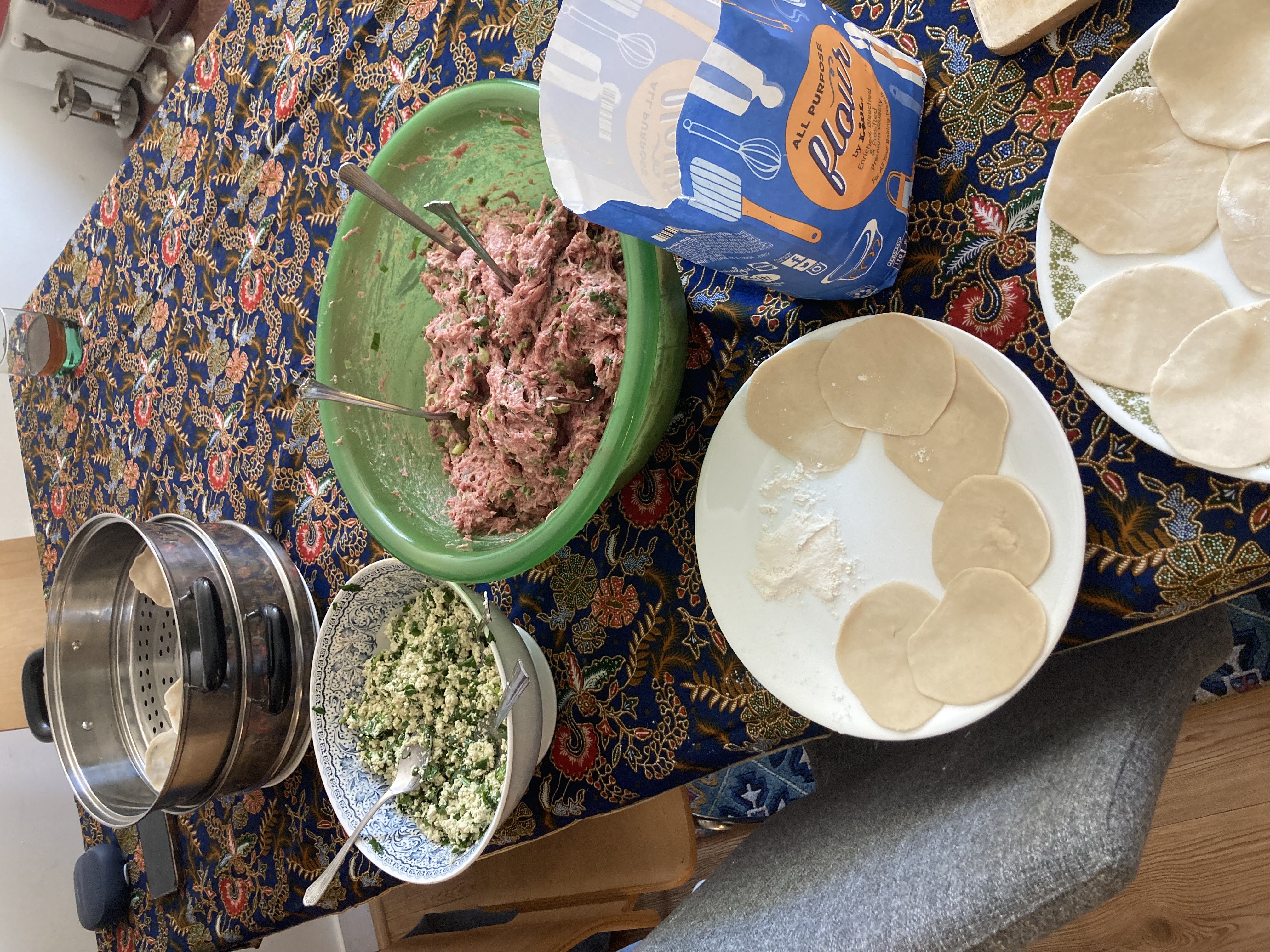 While I was under the tutelage of experienced momo makers, I must confess that my skills are still somewhat lacking. As a result, my momos were definitely the most misshapen and ugly of the bunch. However, they were still delicious, and I received good reviews from my loved ones, so I consider our Machik-Momo Night to be a success! Getting to learn more about Tibetan culture (and in this case, actually experiencing it in such a hands-on manner) truly is one of the highlights of my internship with Machik.
Finally, I had the chance to listen in on a private roundtable about Taiwan hosted by the Global Taiwan Institute this week. We got to hear Dr. Tashi Rabgey talk about Tibetan experience in Taiwan, including the underground or "ghost" Tibetans in Taiwan, who resurfaced after the Dalai Lama made his trip there in the 1990s. While Tibetans have citizenship enshrined in the ROC Constitution, that constitutional recognition has been in tension with the actual Tibetan experience in Taiwan, with a history of being treated as illegal immigrants. Tibetans have also sometimes viewed visiting Taiwan as a betrayal due to existing tensions with the ROC. Along with this talk, Dr. Rabgey also gave us a tour of the Elliott School of International Affairs, where she is a full-time research professor. Both the roundtable and getting to see the Elliott School were valuable experiences, and we even got the chance to speak further with a member of the GTI about her research in Taiwan. I think the questions of sovereignty raised in Taiwan's relationship with the PRC are extremely pertinent, and work carried out in that area will be useful in studying Tibet as well.
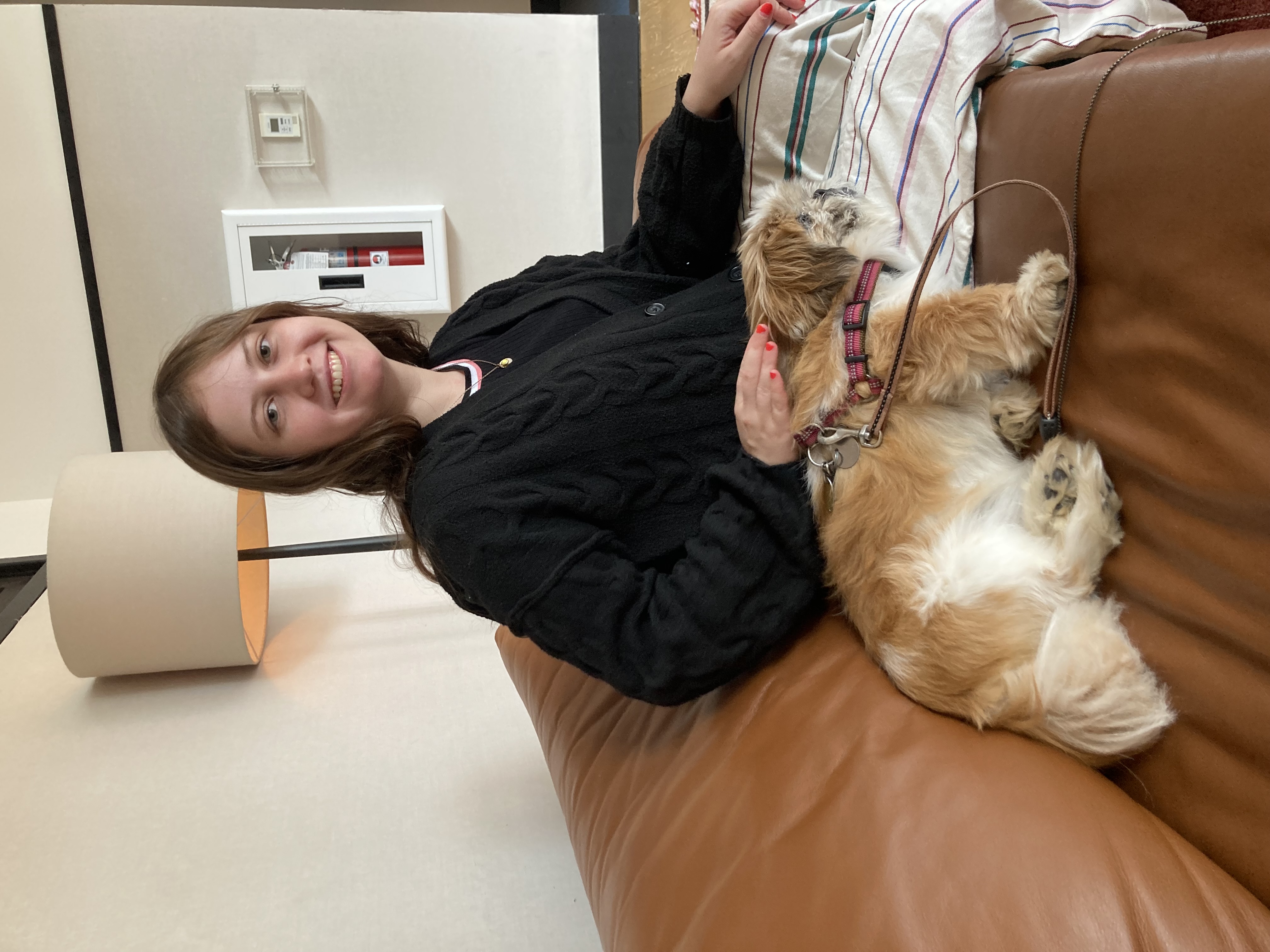
All in all, it was a very full and yet enriching week! I will leave you all until next week with this photo of me and the world's smallest Tibetologist, who only narrowly avoided getting taken back with me to Williamsburg.